Tooth Knocked Out? Dental Emergency Plano TX Steps to Follow
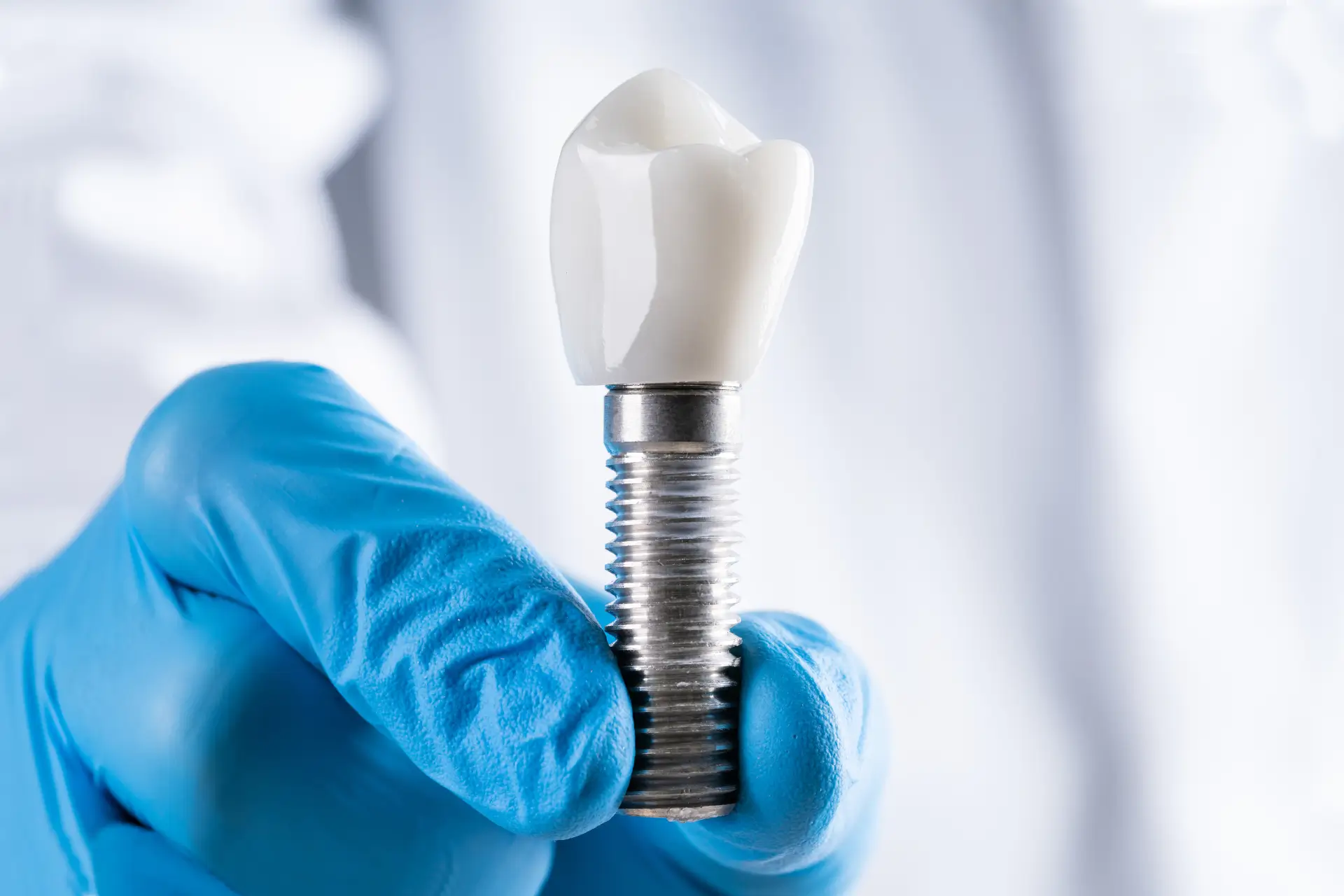
A knocked-out tooth changes the pace of a day in seconds. One fall on the driveway, a stray elbow during basketball practice, a collision at the pool, a bite into something harder than expected, and suddenly there is blood, panic, and a tooth in someone’s hand. This is one of the few true dental emergencies where what happens in the first several minutes can directly affect whether the tooth can be saved.
If you are dealing with a Dental Emergency Plano TX situation involving an avulsed tooth, speed matters, but so does doing the right thing. People often mean well and still make the situation worse. I have seen teeth scrubbed clean with soap, wrapped in tissue, dropped in tap water for an hour, or held by the root while someone searched online for advice. Those small decisions can reduce the odds of successful reimplantation.
The good news is that a permanent tooth that has been completely knocked out can sometimes be placed back into the socket and saved, especially if it is handled correctly and treated quickly. The less encouraging reality is that baby teeth follow a different rule, and trying to put one back can cause damage to the developing adult tooth underneath. That distinction matters more than many parents realize.
The first few minutes matter most
A tooth that has been knocked out is not just a hard object that needs to be put back where it belongs. The root surface is covered with delicate living cells called periodontal ligament cells. Those cells help the tooth reattach to the bone and supporting tissues. Once the tooth dries out, those cells begin to die. That is why dentists ask exactly how long the tooth was out of the mouth and how it was stored.
There is no guarantee in any case, but timing strongly influences outcomes. A tooth replanted within about 15 to 30 minutes has a much better chance than one that sat dry for an hour. A tooth stored properly in milk or a tooth-preservation solution often fares better than one wrapped in a napkin in someone’s pocket. Every minute counts, but careful handling counts too.
In Plano, where youth sports, biking, playground injuries, and active family schedules are part of everyday life, dental trauma is not rare. Most families never expect to need urgent instructions for a knocked-out tooth, which is why calm, practical guidance can make such a difference.
What to do right away
If a permanent tooth has been knocked out, follow these steps as quickly and calmly as possible:
- Pick up the tooth by the crown, which is the chewing surface you normally see in the mouth, not the root.
- If it is dirty, rinse it gently with milk or saline for a few seconds. If those are not available, a brief rinse with clean water is acceptable. Do not scrub, scrape, or dry it.
- If the person is alert and cooperative, try to place the tooth back into the socket right away, facing the correct direction, and have them bite gently on gauze or a clean cloth to hold it in place.
- If you cannot reinsert it, keep the tooth moist in cold milk, saline, or inside the person’s cheek if they are old enough not to swallow it. A tooth-preservation kit is also excellent if one is available.
- Call an emergency dentist immediately and head in for urgent care.
Those five steps cover the essentials, but the details matter. For example, “rinsing” means a quick flow over the tooth, not letting it soak in tap water for half an hour. “Putting it back” means gentle placement, not forcing it into position if resistance is strong or the person is distressed. “Keeping it moist” means exactly that, moist, not submerged in just anything found nearby.
Permanent tooth or baby tooth? This changes the response
One of the biggest mistakes people make is assuming all knocked-out teeth should be put back in. They should not.
If the knocked-out tooth is a baby tooth, do not try to reinsert it. Reimplanting a primary tooth can injure the adult tooth developing below the gums. A child still needs prompt dental evaluation, because the socket, gums, lips, and surrounding teeth may also be injured, but the emergency treatment plan is different.
If the knocked-out tooth is a permanent tooth, urgent action is appropriate. Children around age six or seven begin losing baby teeth naturally and getting their permanent front teeth, which is exactly when sports and falls often increase. That overlap creates confusion. If a parent is unsure whether the tooth is baby or permanent, the safest move is to call a dentist immediately, describe the child’s age and the tooth involved, and follow the office’s guidance while traveling in.
A quick rule of thumb helps, though it is not perfect. A very small lower front tooth in a younger child may be a baby tooth. A larger front tooth in an older child, teen, or adult is almost certainly permanent. When in doubt, do not force it back unless a dentist directs you to do so and you are confident it is permanent.
The common mistakes that reduce the chance of saving the tooth
People under stress often focus on cleaning the tooth so it “looks better.” That instinct is understandable and unhelpful. The root is biologically active, not just dirty. Rubbing it with a towel, brushing it, disinfecting it, or holding it tightly can destroy the cells needed for healing.
These are the actions to avoid:
- Do not touch or hold the root.
- Do not scrub the tooth or remove attached tissue fragments.
- Do not wrap the tooth in dry paper, gauze, or cloth.
- Do not store it in plain water for long periods if better options like milk or saline are available.
- Do not delay calling a dentist because the bleeding seems controlled.
That last point deserves emphasis. Families sometimes assume that if the person feels “okay enough,” the visit can wait until morning. With a knocked-out permanent tooth, waiting can make the difference between successful reimplantation and permanent loss.
Why milk is recommended so often
Milk is not magic, but it is practical. It is close to a physiologic pH, less damaging to root-surface cells than plain water, and commonly available at home, in school cafeterias, at sports facilities, and in convenience stores. Cold milk is usually a very reasonable transport medium for a knocked-out permanent tooth.
Saline is also good. Specialized tooth-preservation solutions can be even better, though few people carry them unless they coach sports or work in healthcare. Storing the tooth inside the mouth, between the cheek and gums, can work for an older teen or adult who can be trusted not to swallow it. I would be cautious with younger children because swallowing or inhaling the tooth is a real risk.
Plain tap water is not ideal because it can harm those fragile root cells. A brief rinse under clean water is sometimes necessary if dirt is visible and no better option is available, but long storage in water is not the goal.
What the dentist will likely do when you arrive
When you get to the office for a Dental Emergency Plano TX visit, the dentist’s first priorities are straightforward. They will confirm whether the tooth is primary or permanent, assess how long it has been out, examine the socket and surrounding tissues, and look for other injuries that are easy to miss in the moment. Lacerations of the lips, tongue, or gums are common. Neighboring teeth may be loosened, fractured, or driven upward into the gums. A jaw injury is less common but important to rule out.
If the permanent tooth has not yet been reinserted and the clinical situation is favorable, the dentist may place it back into the socket, verify position, and stabilize it with a flexible splint. That splint typically attaches the injured tooth to neighboring teeth for a short period so the area can heal. X-rays are usually part of the workup. In many cases, follow-up care will include root canal treatment, especially in mature permanent teeth with fully developed roots.
Patients are often surprised that “saving the tooth today” is only the first chapter. Trauma follow-up can extend over weeks, months, and even years. The tooth may need monitoring for root resorption, loss of vitality, infection, color change, or ankylosis, where the root fuses to the bone. Some teeth do beautifully for years after prompt treatment. Others develop complications despite everyone doing the right things early. Honest dentists explain both possibilities.
Bleeding, pain, and swelling on the way to the dentist
A knocked-out tooth usually bleeds, but it is often manageable with direct pressure. Fold clean gauze or a clean cloth, place it over the socket, and have the person bite down gently. If they are missing several teeth, have difficulty controlling bleeding, feel faint, or have facial cuts that seem significant, the overall injury may require broader medical evaluation.
Pain can be sharp at first and then throb. Cold compresses on the outside of https://wakelet.com/@vitalitydental1 the face help. Over-the-counter pain relief may be appropriate for many patients, but dosage depends on age, weight, medical history, and allergies. If the injured person hit their head, lost consciousness, seems confused, is vomiting, or has neck pain, that is no longer just a dental problem. Head trauma takes priority, and emergency medical care is the right move.
This matters because the drama of a missing tooth can distract from a more serious injury. I have seen worried parents focus entirely on the tooth while a child quietly showed signs of concussion. The mouth is visible, so it grabs attention. The brain deserves at least as much.
Sports injuries are a major cause, and mouthguards really do help
Many knocked-out teeth happen during sports, especially basketball, baseball, softball, skateboarding, soccer, martial arts, and biking accidents. Plenty also happen at home, usually from falls around tile floors, stairs, pools, or bathtubs. Adults are not exempt. Weekend projects, dog-related falls, and simple slips on wet surfaces account for more dental trauma than people expect.
Mouthguards are one of those boring recommendations that become very interesting after an emergency. They do not prevent every injury, but they reduce the severity and frequency of dental trauma. A custom mouthguard from a dental office generally fits better and protects better than the cheapest boil-and-bite version tossed in a gym bag, though even an over-the-counter guard is usually better than none.
For active kids in Plano, especially those in contact or ball sports, a mouthguard is a small investment compared with the cost and complexity of trauma treatment. Once a tooth is lost, the expenses can stretch from emergency care to splinting, endodontic treatment, cosmetic work, implants, or bridges years later if the tooth cannot be maintained.
Special considerations for children
Children do not always describe what happened accurately, especially when they are scared. A child may say a tooth “fell out” when it was actually pushed sideways or up into the gum. They may spit blood, cry, and refuse to open their mouth, which makes it hard for parents to tell if a tooth is fractured, displaced, or missing completely. Sometimes the “missing” tooth is embedded in the lip. That is one reason a professional exam matters even when the obvious injury seems simple.
A child who loses a front permanent tooth can be frightened by the change in appearance as much as the pain. Calm language helps. So does avoiding blame. Telling a child to stop crying or asking repeatedly why they were running near the pool rarely improves the situation. Short, confident instructions work better: hold this gauze, we found the tooth, we’re going to the dentist now, you’re okay.
If the child is very young and the tooth is likely a baby tooth, the urgency shifts slightly, but the need for assessment remains. Dentists still need to evaluate soft tissue injury, bite changes, and possible effects on developing permanent teeth.
What if the tooth went back in, but it looks crooked?
That still counts as urgent. A tooth that is partially knocked out, pushed inward, moved sideways, or rotated in the socket may have a better prognosis than a tooth fully avulsed, but it needs prompt treatment. Do not keep pushing on it to “straighten” it. Stabilize things as much as possible, avoid chewing, and get to the dentist. These injuries often respond well when treated quickly, but delays can complicate repositioning and healing.
Similarly, if the tooth was knocked out and then put back in by a coach, parent, or the patient themselves, you should still go straight in. Reimplantation at the scene is often the right move, but it is not the final treatment. The dentist still needs to check position, splint if necessary, take imaging, and plan follow-up.
The timeline most people do not expect
Even when the day-of response goes well, dental trauma has a long memory. Follow-up visits are not busywork. A replanted tooth may initially look stable and then show changes months later. The nerve inside the tooth can die. The root can begin to resorb. The tooth may discolor. Younger patients with developing roots may have somewhat different healing patterns than adults.
This is where experienced judgment matters. Not every tooth follows the textbook. Sometimes a case that looked poor does surprisingly well because the tooth was handled perfectly and treatment was immediate. Sometimes a case with every advantage still develops complications. The best dentistry in trauma care combines urgency with realism. Save what can be saved, monitor honestly, and make the next best decision if the biology changes.
For some families, that next decision years later may involve an implant after growth is complete, a bonded bridge, orthodontic management, or a temporary prosthetic option while waiting for the right long-term solution. No one wants to hear about future planning on the day of an accident, but it helps to know that losing a tooth permanently is not the same thing as running out of treatment options.
When it is a dental emergency and when it is a medical emergency
A knocked-out tooth by itself is a dental emergency. A knocked-out tooth plus heavy uncontrolled bleeding, facial fracture concerns, head injury symptoms, trouble breathing, or loss of consciousness is a medical emergency first. The challenge is recognizing when the dental injury is part of a larger trauma.
If the person cannot close properly, has severe swelling developing rapidly, reports numbness in the face, or has pain near the jaw joint after impact, the injury may involve more than the tooth. That does not mean the tooth is ignored. It means the sequence of care changes.
People searching for Dental Emergency Plano TX care often do so while adrenaline is high. The practical rule is simple. If there are signs of concussion, airway risk, severe facial trauma, or uncontrolled bleeding, seek emergency medical care immediately. If the injury appears isolated to the tooth and surrounding mouth tissues, get to an emergency dentist without delay.
A few words about preparedness
Most families do not think about dental trauma kits until after they need one. That is normal. Still, if you have children in sports, it is worth keeping a small setup on hand: gauze, a clean container with a lid, saline if convenient, and the phone number of an emergency dentist saved in your contacts. Some coaches and school nurses keep tooth-preservation kits, and that is a smart practice.
Preparedness is not alarmism. It is efficiency. The families who move fastest in these situations are usually the ones who do not have to figure out everything from scratch while standing beside a soccer field.
The same goes for adults. If you bike regularly, coach youth athletics, or work in environments where falls are common, knowing the basic response to an avulsed tooth is useful. Most people will never need the information. The few who do tend to need it all at once.
The bottom line when a tooth is knocked out
A knocked-out permanent tooth is one of the clearest true dental emergencies. Handle it by the crown, keep it moist, reinsert it if appropriate and feasible, and get urgent professional care right away. Do not scrub the root, do not let the tooth dry out, and do not assume waiting a few hours will be fine.
If it is a child’s baby tooth, do not put it back in, but still get the injury evaluated promptly. If there are signs of head trauma or significant facial injury, medical care comes first.
In a genuine Dental Emergency Plano TX case, calm action in the first several minutes can preserve options that disappear quickly. That is the part worth remembering. You do not need a perfect response. You need a fast, careful one.
Vitality Dental
Address: 1220 Coit Rd #106, Plano, TX 75075
Phone number: +19726454100
FAQ About Dental Emergency Plano TX
What can the ER do for a tooth?
An emergency room (ER) can manage pain and treat severe infections with medication, but it cannot fix or pull a tooth.
What is considered a dental emergency?
A dental emergency is any oral health problem that involves severe pain, uncontrollable bleeding, or an infection that threatens your health or requires immediate care to save a tooth.
Is there a 24-hour dental service in Plano, TX?
There is no physical dental clinic in Plano, Texas, that stays open with walk-in staff 24 hours a day, but several offices offer 24/7 phone support, late-night hours, or same-day emergency care.