The Best Foods to Eat After Getting Dental Crowns
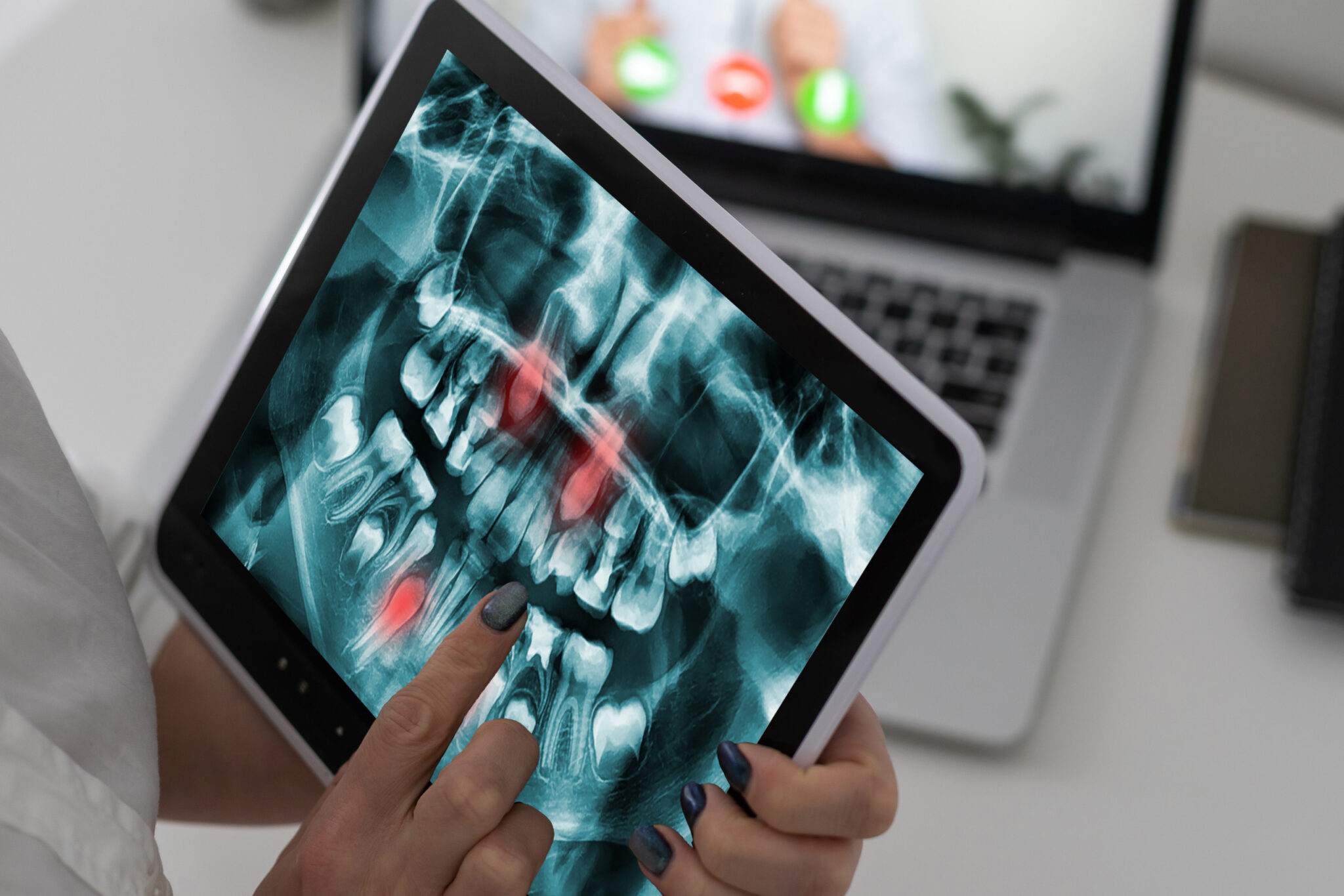
Getting dental crowns is usually the final stretch of a longer process. By the time a patient sits in the chair for placement, they have often already dealt with a cracked tooth, a large cavity, a root canal, or an old filling that finally gave out. The crown restores strength and shape, but the first few hours and days afterward still matter. What you eat can make the difference between a smooth recovery and a frustrating call back to the dental office.
Most people assume the crown itself is the whole story. In practice, the surrounding tooth, the gum tissue, the bite, and the cement all need a little time to settle. That is why the best foods after getting dental crowns are not simply “soft foods.” They need to be gentle without being nutritionally empty, easy to chew without sticking, and satisfying enough that you are not tempted to test your new crown with a bagel, handful of nuts, or caramel candy before you should.
There is also an important distinction between a temporary crown and a permanent one. Temporary crowns are far more vulnerable. They are useful, but they are not designed to handle the same stress as the final restoration. If you have a temporary crown, your food choices should be more cautious. Once a permanent crown is bonded in place, your options open up, though many dentists still advise a short adjustment period while any numbness fades and the bite feels normal.
Why eating carefully matters more than people expect
A crown is strong, but strength is not the same as invincibility. Dental ceramics and metal alloys hold up remarkably well under everyday use, yet the first day after placement is not the time to challenge them. If your mouth is still numb from local anesthetic, you may accidentally bite your cheek, tongue, or lip without realizing it. If the gum around the tooth is irritated from the procedure, crunchy or spicy foods can make it feel worse. If the crown was recently cemented, very sticky foods can create unnecessary stress.
There is also the question of sensitivity. Even when a crown fits beautifully, some people notice temporary sensitivity to pressure, temperature, or sweets. That response usually fades, but it is easier to manage if meals are mild and lukewarm at first. Cold smoothies and hot coffee sound harmless, yet both can trigger discomfort in the first day or two, especially if the crowned tooth had deep decay or recent root work nearby.
The goal is not to eat a bland “recovery diet” for weeks. The goal is to choose foods that let the tooth settle while still giving your body enough protein, fluids, and calories to feel normal.
The first few hours call for the gentlest approach
Immediately after getting dental crowns, the safest move is to wait until the numbness wears off before eating anything that requires real chewing. I have seen patients do everything right with the crown itself, only to leave the office and bite deeply into their cheek because half the face was still asleep. It is more common than most people think.
During that short window, cool or room temperature liquids are often the easiest choice. Water is ideal. If you are hungry, a smooth yogurt, a protein shake that is not icy cold, or applesauce usually works well. The key is texture. You want foods that do not require force, pulling, or crunching.
If your dentist gave specific instructions based on the type of cement used or whether you have a temporary crown, follow those first. Different practices give slightly different timing advice, but the common theme is simple: let the anesthetic wear off, give the crown time to settle, and avoid anything that could shift, stress, or irritate the area.
The best foods for the first day
Soft does not have to mean miserable. Some of the easiest foods after crown placement are also filling and balanced. Scrambled eggs are a classic choice because they are high in protein, soft, and easy to chew on the opposite side if needed. Oatmeal works well too, provided it has cooled to a warm rather than steaming temperature. Soup can be excellent, especially blended soups or broths with soft noodles or tender vegetables, but let it cool enough that it does not sting sensitive teeth.
Yogurt is one of the most dependable options, particularly plain or low sugar varieties. It is smooth, soothing, and usually easy on tender gums. Mashed potatoes, cottage cheese, soft rice, and well cooked pasta also tend to be tolerated well. A banana is often easier than an apple, and soft cooked vegetables are usually a better choice than raw salads in the first day or two.
If you want one simple rule, think in terms of “fork tender.” If a food yields easily to a fork, it is often a safer bet than something that snaps, tears, or sticks.
Foods that offer comfort and actual nutrition
One mistake I often see is people surviving on ice cream, pudding, and little else after dental work. Those foods can feel soothing, but too much sugar and too little protein leave you hungry and sluggish. A better approach is to choose foods that are easy on the crown and useful to the body.
Greek yogurt gives more protein than standard yogurt. Eggs provide protein and fat that help meals feel satisfying. Soft fish, such as salmon, is easier to chew than steak or chicken breast. Avocado is gentle, filling, and rich enough that even a small portion can hold you over. Beans, when well cooked, can work beautifully in soups or mashed into a softer texture.
Hydration also matters. A dry mouth can make everything feel more irritating, especially if you had your mouth open for a while during the procedure. Water is the easiest option. If you drink smoothies, avoid using a straw if your dentist has advised against it for other recent dental work, and avoid blending in hard seeds or overly cold ingredients that could trigger sensitivity.
A short practical guide to good choices
- Scrambled eggs, soft fish, tofu, and yogurt for protein without heavy chewing
- Oatmeal, soft rice, pasta, and mashed potatoes for gentle carbohydrates
- Bananas, applesauce, and ripe avocado for softer produce
- Lukewarm soups and stews, as long as the ingredients are tender
- Water and non-acidic drinks, especially while the area feels sensitive
Those choices cover most meals for the first day or two without making you feel like you are on a restrictive diet. You can mix and match them depending on whether you are dealing with one crown, several crowns, or a temporary restoration that needs more protection.
Temporary crowns require more caution than permanent ones
This is where advice often gets too general. When people hear “dental crowns,” they picture the polished final result. But many spend a week or two with a temporary crown before the permanent one is placed. The best foods during that temporary phase are even more important because temporary crowns can loosen more easily.
A temporary crown is usually held in place with a weaker cement so it can be removed at your next appointment. That means sticky foods are genuinely risky. Chewy bread, taffy, caramel, gum, and even some granola bars can pull at the temporary crown. Hard foods can crack it. Foods with small particles, such as popcorn or seeded crackers, can slip around the margins and irritate the gum.
For a temporary crown, it helps to chew on the opposite side when possible https://www.google.com/maps?cid=11644345336093784457 and to be more deliberate. This is not the time to absentmindedly eat trail mix in the car or tear through a crusty sandwich during a meeting. Many temporary crown problems happen not because the crown was faulty, but because the food was exactly wrong for the job.
What to avoid, at least for a while
There are certain foods that cause trouble often enough that they deserve special mention. This is true even for permanent crowns in the first day or two, and especially true for temporary ones.
- Sticky foods such as caramel, gum, taffy, and chewy candies
- Hard foods such as nuts, popcorn kernels, ice, and hard pretzels
- Tough foods such as steak, jerky, and crusty bread
- Very hot or very cold foods if the tooth feels sensitive
- Sugary foods that cling to the tooth and gumline
The sticky category is the biggest culprit for temporary crowns. The hard category is what often causes immediate regret. Ice chewing deserves its own warning. Many people do it automatically, but it is rough on natural teeth and restorations alike. I have rarely met a dentist who thinks chewing ice is harmless.
Temperature matters more than texture for some patients
Not everyone struggles with chewing after crown placement. Some people can manage soft solid foods quite comfortably, but react strongly to temperature. If the tooth had a deep filling under the crown or if the surrounding gums are tender, very cold drinks or hot coffee can produce a sharp, fleeting jolt. That does not always mean anything is wrong, but it does mean your food plan should adjust.
Room temperature water may feel better than iced water. Warm oatmeal may work better than hot soup. A smoothie that is slightly chilled can be pleasant, while one made with frozen fruit and ice may be too much. Pay attention to what your mouth tells you. You do not need to prove toughness to a new crown.
This also applies to sweets. A crowned tooth can be temporarily sensitive to sugar, especially if the underlying tooth was irritated before treatment. If a sip of sweet coffee or a spoonful of ice cream lights the area up, stick with simpler, less sugary foods for a couple of days.
Chewing habits can matter as much as the food itself
There is a big difference between eating a soft meal carefully and attacking it with the crowned tooth as if nothing happened. Even foods considered “safe” can be uncomfortable if you chew aggressively or on a bite that is still adjusting. Rice is soft, but clenching down hard on one side can still feel strange. Pasta is gentle, but if the crown is high and your bite feels off, you may notice pressure.
One useful trick is to take smaller bites than usual for the first day or two. Smaller pieces demand less force. Eating slowly also gives you time to notice whether something feels uneven or tender. If the crown feels dramatically high when you bite, that is not a food problem. That is a fit issue and should be checked by your dentist. Patients often describe it as “hitting first” or feeling like that tooth meets before the others.
Food choices can protect a healing area, but they cannot fix a crown that needs adjustment.
What a realistic day of eating might look like
A comfortable first day after getting dental crowns might start with lukewarm oatmeal and Greek yogurt for breakfast. Lunch could be a bowl of tomato soup that has cooled a bit, paired with soft pasta or tender rice. For dinner, scrambled eggs with avocado or baked fish with mashed potatoes usually goes down easily. Snacks might include applesauce, cottage cheese, or a ripe banana.
That kind of menu is not glamorous, but it covers protein, carbohydrates, fluids, and enough calories to keep most adults comfortable. It also lowers the odds of running into the most common problems, namely pain from chewing, sensitivity from temperature, and accidental stress on the crown.
For children or teenagers with crowns, the same principles apply, though the challenge is often compliance. Kids may feel fine quickly and want chips, candy, or pizza crust right away. This is where plain language helps. Saying “your tooth needs a day to settle, then you can eat more normally” tends to work better than vague warnings. Giving them easy alternatives, such as macaroni and cheese, yogurt, pancakes, or soup, also reduces the urge to test limits.
If you had multiple crowns or a long procedure
When several crowns are placed at once, even good foods can feel difficult simply because the mouth is tired. Jaw muscles can ache after holding open for a long appointment. Gums may be more irritated. In those cases, it is reasonable to stay on softer foods for a little longer. Most people can start broadening their diet within a day or two, but there is no prize for rushing back to crunchy foods.
This is especially true if crowns were placed on both sides of the mouth. Patients often rely on chewing away from the treated side, but that option disappears when more teeth are involved. A slightly longer stretch of soft meals can make recovery much more comfortable. Think soft casseroles, tender pasta dishes, flaky fish, soft cooked vegetables, and rice bowls with ingredients that do not demand much bite force.
If a procedure involved gum shaping or significant work near the gumline, spicy or acidic foods can also sting more than usual. Citrus, salsa, and heavily seasoned foods may be better saved for later, even if the texture itself is soft.
When you can return to a normal diet
For many people with a permanent crown, normal eating resumes fairly quickly, often within a day once numbness wears off and the tooth feels comfortable. But “normal” should still include common sense. A crown can function like a natural tooth, yet habits that crack natural teeth can also damage crowns. Biting fingernails, opening packages with teeth, chewing ice, and cracking nuts with the crowned tooth are poor bets long term.
If you have a temporary crown, the timeline is different. Stay cautious until the permanent crown is placed. That usually means avoiding sticky and hard foods the entire time. Once the permanent crown is cemented and your dentist confirms the bite is right, you can usually expand your diet significantly.
The best guide is comfort. If chewing feels normal and the crown is stable, you can progress. If something feels sharp, high, loose, or persistently painful, do not push through it with softer foods for a week and hope it resolves. Call your dentist.
Signs that food is not the real issue
There are a few situations where changing your diet is not enough. If pain gets worse instead of better, if the crown feels loose, if you cannot bite down comfortably after the numbness is gone, or if a temporary crown comes off, you need clinical advice rather than a new grocery list.
A little tenderness is common. Mild sensitivity can be common too. Persistent throbbing pain, a bite that feels clearly uneven, or a crown that shifts when you touch it is not something to manage with soup and yogurt alone. Likewise, if floss shreds badly around the crown or there is a strong taste that does not go away, the restoration may need to be checked.
One of the most useful habits after crown placement is to pay attention while eating, not obsessively, but honestly. Your mouth gives good feedback. If the area is improving day by day, you are probably on track. If meals become more uncomfortable, or if the crown interferes with your bite every time you chew, that deserves follow up.
Living with crowns after the recovery window
Once the first day or two passes, most people stop thinking about their crowns, which is exactly how it should be. Good dental crowns are meant to restore function, not force a lifetime of dietary fear. Still, people who do best with crowns long term tend to keep a few sensible habits. They do not use their teeth as tools. They are careful with very hard foods. They keep up with brushing, flossing, and routine cleanings, because the crown itself cannot decay, but the tooth underneath and around it still can.
That point gets overlooked. Crowns solve structural problems, not hygiene problems. If food packs around the gumline and plaque sits there day after day, the margins around the crown can become vulnerable. Choosing softer foods right after placement helps with comfort, but the larger picture is keeping the whole area healthy once healing is over.
For patients who grind or clench, food is only part of the equation. A night guard may matter far more to the life of a crown than whether you had oatmeal or pasta the day after placement. Still, the immediate food choices set the tone for an easier recovery, and they often spare people the avoidable problems that come from treating a fresh dental restoration like a test object.
The best foods to eat after getting dental crowns are the ones that respect the work your dentist just completed. Soft proteins, gentle starches, ripe fruits, tender vegetables, soups, and plenty of water are not dramatic, but they are dependable. They protect the crown, reduce irritation, and make the first day or two feel routine instead of eventful. For most patients, that is exactly the outcome worth aiming for.
Oxnard Dentistry
Address: 1730 E Gonzales Rd, Oxnard, CA 93036
Phone number: +18056049999
FAQ About Dental Crowns Oxnard CA
How long do crowns last on teeth?
Dental crowns typically last 10 to 15 years, but can last 20 to 30 years with excellent oral hygiene. Lifespan depends heavily on the crown material, your daily brushing and flossing habits, and whether you clench or grind your teeth.
What is the downside of crowns on teeth?
The primary downside of dental crowns is that the preparation process is irreversible. To properly fit a crown, a dentist must permanently shave down a significant portion of your natural tooth enamel. This exposes the tooth to potential risks like nerve inflammation, increased sensitivity, and structural weakening.
Why do dentists push for crowns?
Dentists often recommend crowns to save a structurally compromised tooth. If a tooth is heavily cracked, worn down, or has a cavity too large for a filling, a filling will not provide enough structural support, causing the tooth to eventually split. Crowns act like protective helmets, preventing tooth loss.