Emergency Dentist FAQs for First-Time Patients


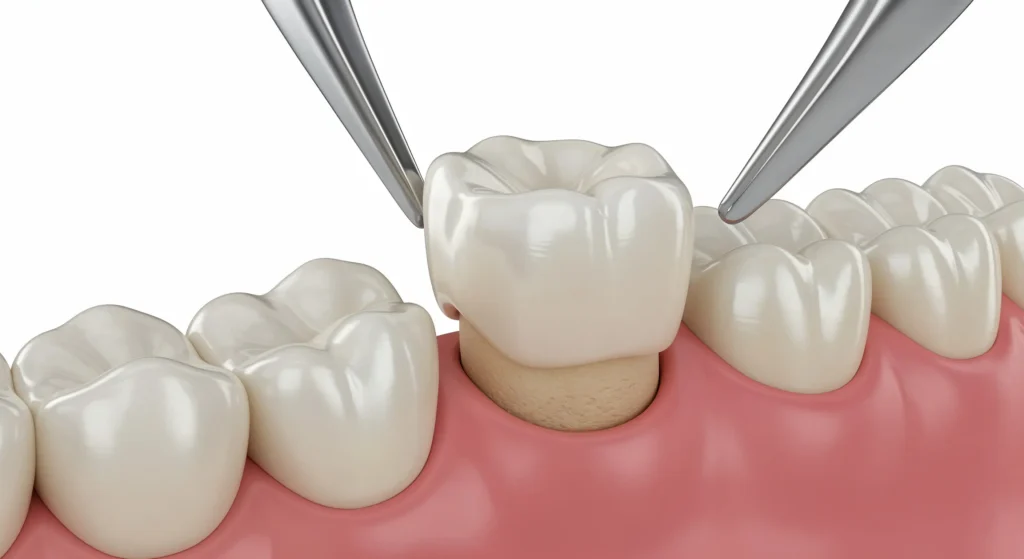
A dental emergency has a way of shrinking your world. You stop thinking about next week, or even tonight, and focus on one thing: how fast you can get the pain, swelling, bleeding, or damage under control. For first-time patients, that urgency is often mixed with uncertainty. What counts as an emergency? Should you go straight to an Emergency Dentist, or call your regular office first? What happens during the visit, and how much treatment can be done right away?
Those questions are common, and reasonable. Dental emergencies rarely happen at a convenient time. They show up during dinner, in the middle of a workday, on a weekend trip, or just before bed. I have seen people arrive apologizing for “overreacting,” only to find they had a significant infection or a fractured tooth exposing the nerve. I have also seen the opposite, patients who waited two days on a cracked molar because the pain came and went, then walked in with facial swelling and far fewer options than they had at the start.
The first thing to know is that emergency dental care is not only about dramatic injuries. It is often about timing. A problem that seems manageable at noon can become much harder to treat by midnight. An Emergency Dentist is there to assess urgency, relieve pain, protect the tooth when possible, and keep a bad situation from becoming worse.
What actually counts as a dental emergency?
A true dental emergency usually involves one of three things: severe pain, uncontrolled bleeding, or trauma to the teeth, gums, jaw, or surrounding tissues. Infection also belongs high on that list, especially when swelling is spreading or swallowing becomes difficult.
Not every dental problem is an emergency, but many deserve prompt attention even if they are not life-threatening. A lost filling can wait a short while if there is no pain. A chipped front tooth with a sharp edge but no sensitivity may be urgent, not emergent. On the other hand, a broken tooth that hurts when you breathe in, a tooth that has been knocked out, or swelling near a lower molar that is pushing into the cheek should be treated much more seriously.
One practical test is this: if the problem is worsening quickly, interfering with eating or sleeping, or involves visible swelling, active bleeding, or trauma, contact an Emergency Dentist as soon as possible. If you are dealing with trouble breathing, trouble swallowing, major facial injury, or bleeding that does not slow with pressure, that crosses into medical emergency territory and may require hospital care.
Should I call my regular dentist first?
If you have a regular dentist and the office is open, start there. Many general practices reserve time each day for urgent cases. Your dentist already knows your history, your X-rays, any past root canals or crowns, and whether you have a tendency to grind, fracture teeth, or develop gum abscesses. That background can save time.
If the office is closed, if you are traveling, or if you do not have an established dentist, an Emergency Dentist is usually the fastest route. Most emergency dental clinics are set up to triage pain and trauma efficiently. They can diagnose the immediate issue, take X-rays, prescribe medication when appropriate, and perform the treatment needed to stabilize the problem. Sometimes that means a same-day extraction or drainage of an abscess. Sometimes it means placing a temporary restoration and arranging follow-up care once the acute phase has passed.
People sometimes hesitate because they worry they will offend their regular dentist by going elsewhere. In genuine emergencies, that should not factor into your decision. Timely care matters more than office loyalty.
What should I do before I get to the office?
What you do in the first thirty to sixty minutes can make a real difference, especially after trauma. Keep your response simple and purposeful.
- If a tooth has been knocked out, hold it by the crown, not the root, and gently rinse off obvious dirt without scrubbing. If possible, place it back in the socket. If that is not possible, store it in milk or saliva and get to care fast.
- If there is bleeding, use clean gauze or cloth and apply steady pressure. Check too often, and bleeding tends to restart.
- If swelling is starting, place a cold compress on the outside of the face in short intervals. Cold helps more than heat in the early stage.
- If a tooth or filling has fractured, save any pieces you can find and bring them with you.
- If you plan to take pain relief, follow the label and avoid stacking medications carelessly. People in pain often take more than they realize.
A few cautions matter here. Do not place aspirin directly on the gums or tooth. It does not numb the area, and it can burn soft tissue. Do not use clove oil heavily on open tissue either, especially in children, because it can irritate the area. If swelling is significant or you have fever, do not try to “sleep it off” and hope it settles by morning.
Will the Emergency Dentist treat the problem the same day?
Often, yes, but not always in the final form you may expect. Emergency dentistry is about stabilizing the problem first. That can include draining an abscess, placing a sedative dressing in a painful cavity, smoothing a fractured edge, re-cementing a crown, splinting a loose tooth, beginning root canal treatment, or removing a tooth that cannot be saved.
What patients sometimes misunderstand is the difference between immediate relief and complete treatment. A front tooth broken in half after a fall may be temporarily protected the same day, while the final crown is done later. A swollen molar may need the infection controlled before a more involved procedure can be completed comfortably and safely. If the office does not have a specialist on site, you may leave feeling much better, but still need an endodontist, oral surgeon, or your general dentist for the definitive next step.
That does not mean the visit was incomplete. In emergency care, getting you out of pain, controlling infection, and protecting the surrounding structures is often exactly the right goal for day one.
Will I need an extraction?
This is one of the most common fears, and one of the hardest questions to answer before an exam. Some emergency visits do end in extraction, especially when a tooth is split below the gumline, severely decayed beyond restoration, or associated with advanced infection and bone loss. But many painful teeth can still be saved.
Whether a tooth can be retained depends on several things: how deep the fracture goes, whether the nerve is involved, how much healthy structure remains above the gumline, the condition of the roots, the amount of bone support, and your overall dental history. A heavily restored molar with a vertical root fracture is a very different case from a tooth with a large cavity causing reversible pain.
I have seen patients assume the worst because pain feels catastrophic. In practice, pain level does not always predict prognosis. Some teeth with miserable nerve pain can be saved with root canal therapy and a well-made crown. Some teeth that barely hurt at all are so structurally compromised that long-term restoration is not realistic. The X-ray and clinical exam tell the story better than the symptom alone.
How much will it hurt during treatment?
By the time people seek an Emergency Dentist, they are often already exhausted, anxious, and sensitized by pain. That state can make everything feel more intense. The reassuring part is that emergency dentists work with this situation every day. Local anesthesia, careful technique, and realistic pacing are the norm, not the exception.
That said, severe infection can make numbing less predictable in some areas, especially lower molars with hot pulps or swelling. In those cases, the dentist may need to use more than one anesthetic technique, allow extra time, or stage treatment to get you comfortable enough to proceed. Patients appreciate honesty here. Most urgent treatment is manageable, but “you won’t feel a thing” is not always a fair promise. A better expectation is that the dentist’s job is to reduce pain significantly and avoid unnecessary suffering while treating the cause.
If you are very anxious, say so early. Fear changes breathing, muscle tension, and pain perception. Even small adjustments, more explanation, slower pacing, a short break before the injection, can improve the experience. Some clinics also offer sedation options, though availability varies and may be limited in same-day emergency scheduling.
Why can’t antibiotics fix the problem on their own?
This comes up constantly, especially when swelling is involved. Antibiotics can help control the spread of bacterial infection, but they do not remove the source. If the nerve inside the tooth has died and infection is draining into the surrounding tissues, medication alone is rarely enough for a lasting solution. The source must usually be treated through root canal therapy, extraction, or drainage.
There is also a misconception that every toothache needs antibiotics. It does not. Many dental pain problems are inflammatory rather than infectious. A cracked tooth, exposed dentin, or inflamed pulp may hurt intensely without needing antibiotic therapy. Prescribing antibiotics when they are not indicated does not relieve the core problem and contributes to resistance and side effects.
The exception that matters is when infection shows signs of spreading. Fever, facial swelling, swollen lymph nodes, a foul taste from drainage, or increasing difficulty opening the mouth can all raise concern. In those cases, an Emergency Dentist may prescribe antibiotics along with urgent dental treatment, not instead of it.
What if I have swelling in my face or gums?
Swelling is one of those symptoms that should never be dismissed casually. A localized gum bump near a tooth can signal a draining abscess. Diffuse swelling in the cheek, jawline, or under the eye deserves faster attention. The reason is simple: infections in the mouth do not always stay put. The farther they spread into facial spaces, the more complex and medically significant they can become.
A lower molar infection is a classic example. Early on, it may present as tenderness when chewing and a little puffiness in the gum. Later, the face can visibly swell, the jaw may become stiff, and swallowing may feel different. Once a patient reaches that point, the issue is no longer only about the tooth. It is about airway risk, deeper tissue involvement, and the need for more aggressive treatment.
If swelling is accompanied by fever, malaise, or difficulty breathing or swallowing, skip the debate and seek urgent medical evaluation immediately. An Emergency Dentist can often help with localized swelling, but systemic signs or airway concerns need higher-level attention.
What happens if a tooth gets knocked out or pushed out of place?
Trauma cases are some of the most time-sensitive emergencies in dentistry. A fully knocked-out permanent tooth has the best chance of survival when replanted quickly, ideally within the first thirty minutes, though useful care may still be possible beyond that depending on how the tooth was stored. The key detail many people miss is handling. Touching the root damages delicate cells needed for reattachment.
If the tooth is not knocked out completely but feels loose, longer, or out of alignment after a hit, do not test it repeatedly with your tongue or fingers. Teeth can sometimes be repositioned and stabilized if seen promptly. Waiting overnight because “it’s still there” can reduce the chance of saving it cleanly.
Children add one important wrinkle. If the knocked-out tooth is a baby tooth, it is generally not replanted because of the risk to the developing permanent tooth beneath it. Parents are often understandably frantic in those moments. Bringing the child in for assessment still matters, because lip injuries, root fragments, and damage to neighboring teeth are easy to miss in the commotion.
Can a chipped or cracked tooth wait?
Sometimes yes, sometimes no. The distinction is less about the size of the missing piece and more about symptoms and depth. A small chip that changes the appearance of the edge but causes no pain is often more cosmetic than urgent. A crack that sends sharp pain through the tooth when biting, especially if release of pressure hurts more than the bite itself, can indicate a deeper structural problem. Those teeth are risky to leave alone because a crack can propagate.
Temperature sensitivity is another clue. If cold causes a brief zing and then stops, the tooth may simply need protection. If the pain lingers, wakes you up, or flares without stimulus, the nerve may be involved. Cracks are notoriously tricky because they may not show clearly on a basic X-ray. The exam, the bite pattern, and your symptom story often guide the diagnosis as much as imaging does.
As a rule, https://louisjwlh751.cloudhinter.com/posts/how-quickly-should-you-see-an-emergency-dentist a cracked back tooth is worth seeing sooner than later, even if the pain is intermittent. Patients often tell me they delayed because they could still chew on the other side. Then the tooth gives way on a piece of bread or a soft sandwich, not even a hard nut, because the underlying fracture had already weakened the cusp.
What if my crown, bridge, or filling comes out?
This feels dramatic, but it is not always a same-hour emergency. If there is no pain and the tooth is intact, the priority is protecting the area and preventing further breakage. Save the crown or filling and bring it with you. In some cases, a crown can be cleaned and re-cemented if it still fits well and the underlying tooth has not decayed or fractured further.
The situation changes when the exposed tooth is very sensitive, visibly broken, or previously root treated and now loose at the core. A crown that repeatedly falls off may be signaling inadequate tooth structure or decay under the margin. It is not just an adhesive problem. Likewise, a lost filling on a front tooth may be more urgent from an appearance standpoint, while a lost filling on a molar may become urgent because food packing and biting pressure cause escalating pain.
Avoid chewing on the area, and do not attempt home glues. Products not intended for oral use can irritate tissue and complicate proper bonding later.
How do emergency dental clinics handle cost and insurance?
Cost is often part of the anxiety, especially for first-time patients. Emergency visits usually involve a focused exam, one or more X-rays, and whatever immediate treatment is needed to relieve pain or stabilize the issue. Fees vary by region, complexity, time of day, and whether treatment extends beyond diagnosis into procedures like extraction, root canal access, or splinting.
Insurance can help, but dental plans are inconsistent. Some cover emergency exams readily but limit major treatment. Others apply benefits differently depending on whether the service is diagnostic, restorative, or surgical. The practical thing to do is ask for an estimate after the exam and before treatment proceeds, unless the situation is so urgent that delay would be unsafe.
Bring the right information if you can:
- Photo identification and insurance details
- A list of medications and allergies
- Contact information for your regular dentist, if you have one
- Any broken tooth fragments, crowns, or dental appliances
- A method of payment in case same-day treatment is recommended
Most reputable offices understand that people do not plan financially for a Friday night abscess. They can usually outline options, including temporary treatment when clinically appropriate, so you can make an informed decision.
Will I leave with pain medication?
Sometimes, but not always, and often not in the way patients expect. The most effective pain relief in dentistry usually comes from treating the source. Draining pressure, removing infected tissue, stabilizing a fracture, or opening a painful tooth can bring more relief than a prescription alone.
For many cases, over-the-counter anti-inflammatory medication, sometimes paired with acetaminophen if medically appropriate, works very well. Stronger prescription pain medication is less common than it once was, partly because it is often unnecessary after the actual problem is addressed and partly because of well-established safety concerns. What matters most is that the dentist reviews your medical history, stomach issues, kidney disease, blood thinners, pregnancy status, and any interactions before recommending a regimen.
If you have had trouble getting numb in the past or you know certain medications do not agree with you, mention that before treatment starts. Those details affect planning.
How can I tell if the dentist is focused on emergency care or just squeezing me in?
There is a noticeable difference. An office experienced with emergency dentistry tends to ask targeted triage questions before you arrive. They want to know whether there is swelling, trauma, fever, bleeding, a knocked-out tooth, or severe pain that disrupts sleep. They also tend to explain clearly what can happen that day and what may need follow-up.
You should expect an exam that is focused but thorough enough to catch the real problem, not just the nearest obvious one. For example, upper molar pain can sometimes feel like it is coming from a different tooth. Sinus pressure can confuse the picture. Referred pain from a cracked back tooth can be surprisingly misleading. A good Emergency Dentist does not just chase the loudest symptom. They look for the actual source.
Clear communication matters too. If the dentist recommends extraction, root canal treatment, referral, or watchful waiting, you should hear why that option fits the findings. In urgent care, speed is important, but so is judgment.
What can I do after the visit to avoid another emergency?
Some emergencies are pure bad luck, a sports injury, an unexpected fall, a popcorn kernel meeting an old filling at exactly the wrong angle. Many others have warning signs that were easier to ignore than to schedule around. A filling that has felt “a little off” for six months, a crown that occasionally lifts, nighttime grinding that starts chipping enamel, gum bleeding around a wisdom tooth, these are the quiet setups behind a lot of urgent appointments.
Follow-through matters after the first visit. If you were told to return for a crown after emergency root canal treatment, do not treat that recommendation as optional. A temporary restoration is not built for months of heavy chewing. If an extraction was done and replacement options were discussed, revisit that conversation once you have healed. Missing teeth shift bite forces, and neglected gaps can create the next problem.
People often remember the pain more vividly than the cause. The useful lesson is not just “that was awful.” It is understanding what set the stage and fixing it while choices are still broad.
Seeing an Emergency Dentist for the first time can feel intimidating, but the visit is usually much more straightforward than patients fear. The goal is not to lecture you for waiting, or pressure you into treatment you do not understand. It is to diagnose the problem accurately, relieve the immediate crisis, and put a sensible plan in place. When you know what to expect, the unknown part shrinks, and that alone can make an emergency easier to manage.
Simple Dental South Gate
Address: 8617 California Ave, South Gate, CA 90280
Phone number: +13236896118
FAQ About Emergency Dentist Southgate CA
What can the ER do for a tooth?
The emergency room can provide temporary symptom relief for a bad tooth, such as prescribing pain medicine or antibiotics, but it cannot fix the actual dental problem.
What is the 3-3-3 rule for tooth infection?
The 3-3-3 rule for a toothache or infection typically means taking three 200 mg ibuprofen tablets (600 mg total) three times a day for no more than three days to control pain and swelling while waiting to see a dentist.
What do you do if you have a dental emergency but no dentist?
If you have a dental emergency and no regular dentist, you should search for an urgent care dental clinic, call local walk-in dental offices, or go to a hospital emergency room if you have severe bleeding, swelling, or trouble breathing.