Dental Implants Bakersfield CA: Your Complete Guide to Restoring Your Smile
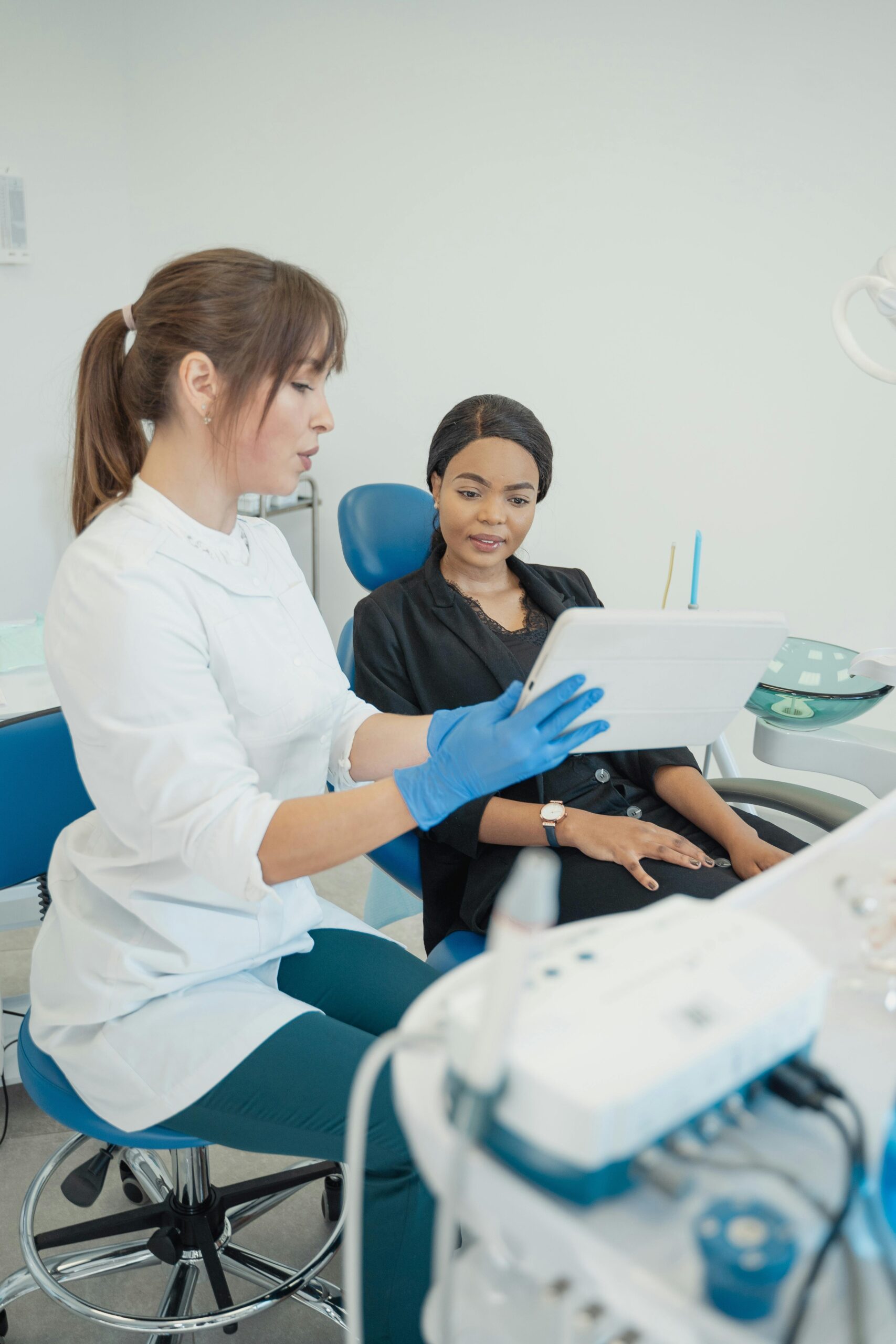

Losing a tooth changes more than your appearance. It changes how you chew, how clearly you speak, and often how comfortable you feel when you smile. For some people, the shift is subtle at first. They start favoring one side of the mouth when eating, avoid certain foods, or smile with their lips closed in photos without really thinking about it. For others, especially after losing several teeth, the impact is immediate and frustrating.
That is why so many patients start searching for answers around Dental Implants Bakersfield CA. They want a replacement that feels stable, looks natural, and lasts. They are tired of loose dentures, tired of bridges that require support from neighboring teeth, or simply ready to invest in something more permanent.
Dental implants can be an excellent solution, but they are not one-size-fits-all. The right decision depends on your bone health, your habits, your medical history, your timeline, and your budget. It also depends on the skill of the treating dentist or specialist and the quality of the planning behind the procedure. A good implant case is not just about placing a titanium post. It is about restoring function, preserving bone, and designing a bite that works comfortably for years.
Why dental implants have changed modern tooth replacement
For decades, the main choices for replacing missing teeth were removable dentures and fixed bridges. Both still have a place in dentistry. A well-made bridge can serve a patient beautifully in the right situation, and a carefully fitted denture can restore function for someone who is not a candidate for surgery. But implants introduced something neither of those options could fully replicate. They replace the root structure of a tooth, not just the visible part above the gums.
That matters because the jawbone depends on stimulation. When a tooth root is lost, the bone in that area begins to shrink over time. You may not notice the change month to month, but over several years it can affect the shape of the gums, the support for neighboring teeth, and even the contours of the face. An implant placed into the jaw helps maintain that stimulation. It gives the bone a job to do.
Patients usually notice the practical difference first. An implant-supported tooth does not come out at night. It does not slide when you eat. It does not rely on adhesives. If the restoration is planned properly, it can feel very close to a natural tooth in day-to-day life. That is a major reason interest in Dental Implants Bakersfield CA continues to grow.
What a dental implant actually is
A dental implant has three parts. The implant itself is a small post, usually titanium, placed in the jawbone. An abutment connects that implant to the visible restoration. The final crown, bridge, or denture is the part you see when you smile.
Once the implant is placed, the bone gradually bonds to its surface through a process called osseointegration. That bond is what gives implants their strength and stability. The timeline varies, but many cases require several months of healing before the final tooth is attached. Some patients can receive a temporary tooth much sooner, especially in front-tooth areas where appearance matters. Others need extra healing time, particularly if they have had bone grafting or have medical factors that slow recovery.
One point that often surprises patients is that the implant crown is not exactly the same as a natural tooth, even when it looks nearly identical. You still need to clean around it carefully, monitor the gums, and protect it from grinding or trauma. Implants are highly durable, but they are not maintenance-free.
Who tends to be a good candidate
Most healthy adults can at least be evaluated for implants, but not everyone is an immediate candidate. Strong bone support and healthy gums make treatment much more straightforward. If the tooth has been missing for many years, there may not be enough bone left without grafting. If gum disease is active, it usually needs to be treated first. If a patient smokes heavily or has uncontrolled diabetes, healing can be https://www.google.com/maps/place/Smyle+Dental+Bakersfield/@35.3777576,-119.0245171,894m/data=!3m2!1e3!4b1!4m6!3m5!1s0x80ea69f31fb5e0e9:0xf2946657cb1d72f5!8m2!3d35.3777576!4d-119.0245171!16s%2Fg%2F1tdmvyhz!5m1!1e1?entry=ttu&g_ep=EgoyMDI2MTExMC4wIKXMDSoASAFQAw%3D%3D less predictable.
Age by itself is rarely the issue adults assume it is. A healthy person in their seventies may be a better implant candidate than a younger adult with severe periodontal disease and poor oral hygiene. What matters more is the overall health of the mouth and the body, plus the patient’s willingness to maintain the result.
A consultation usually includes a clinical exam, digital images, and often a 3D scan. That scan helps the doctor evaluate bone width, bone height, nerve location, sinus position, and angulation. In complex cases, it can be the difference between a routine procedure and a risky one. Good implant planning is meticulous. It starts long before the surgery.
Common reasons people choose implants in Bakersfield
Life in Bakersfield is active and practical. People want dental treatment that holds up at work, at family gatherings, and during ordinary routines like eating steak, biting into fruit, or speaking confidently in meetings. Many patients considering implants have already tried another option and found it limiting.
Here are some of the most common reasons:
- They want a fixed tooth replacement that does not shift or slip.
- They want to preserve bone and avoid the sunken appearance that can follow tooth loss.
- They do not want a bridge that requires reshaping healthy adjacent teeth.
- They are frustrated with removable dentures and want better chewing strength.
- They want a long-term solution that feels more natural day to day.
Those reasons sound simple, but they usually come with real stories behind them. A patient stops ordering salads because front teeth are loose. Someone else stops wearing a lower denture because it never stays in place. Another patient has one missing molar and keeps getting food trapped in the gap, irritating the gums and affecting the neighboring tooth. Implants appeal to people because they address both appearance and function, not just one or the other.
Single tooth implants, multiple implants, and full-arch options
A single missing tooth is often the easiest implant case to understand. The implant replaces one root, and a crown is attached once healing is complete. If done well, it can blend so naturally that even close friends will not notice the difference.
When several teeth are missing, treatment becomes more strategic. Sometimes each missing tooth gets its own implant. In other cases, two or more implants support a bridge. This approach can reduce cost and surgery while still providing strong support. The ideal plan depends on spacing, bite forces, and bone availability.
Full-arch treatment is another category altogether. Patients who have lost most or all of their teeth may qualify for an implant-supported full upper or lower arch. Instead of placing an implant for every tooth, the dentist uses a smaller number of implants to anchor a full prosthesis. This can dramatically improve stability compared with a conventional denture. For the right patient, it is life-changing. Eating becomes easier, speech often improves, and the constant worry about movement fades.
That said, full-arch cases require serious planning. They are not cosmetic shortcuts. The bite must be balanced, the gum contours need to be managed carefully, and the patient must understand the cleaning commitment. The best full-arch results come from teams who do these cases regularly, not occasionally.
The treatment process, from consultation to final smile
Patients often imagine the implant process as one appointment. In reality, it usually unfolds in stages. The pace can be quick in a simple case or much slower in a complex one.
A typical sequence looks like this:
- Consultation, imaging, and treatment planning.
- Tooth extraction if needed, sometimes with grafting.
- Implant placement and healing time for integration.
- Abutment placement and impressions or digital scanning.
- Delivery of the final crown, bridge, or denture.
That structure sounds tidy on paper, but actual treatment often includes nuances. A tooth may be extracted and the implant placed the same day if infection is controlled and bone conditions are favorable. In other cases, the site needs to heal first. Some patients need a sinus lift in the upper back jaw because there is not enough bone beneath the sinus floor. Others need soft tissue shaping to improve how the crown emerges through the gums, especially in the smile zone.
One of the most important parts of this process is temporary restoration design. A front tooth temporary is not just a placeholder. It helps guide the gum tissue so the final crown looks natural. Poor temporary design can flatten the gum architecture and compromise the final aesthetic result. That is one of those details patients rarely know to ask about, but experienced implant providers think about it early.
Does getting an implant hurt?
Most patients report that implant surgery is easier than they expected. That is not marketing language, it is a common real-world reaction. There is local anesthesia during the procedure, and many offices offer additional sedation depending on the case and the patient’s anxiety level. Afterward, discomfort is usually manageable with medication, ice, and a soft-food diet for a few days.
A straightforward single implant can feel less dramatic than a difficult tooth extraction. Swelling varies, but many people return to non-strenuous work quickly. More extensive cases, especially full-arch surgery or procedures involving multiple extractions and grafting, tend to require a longer recovery period.
Pain should improve each day after surgery. Persistent swelling, bad taste, fever, or worsening pain should be reported promptly. Good post-operative follow-up matters. So does honest communication. A provider should explain not only what normal healing feels like, but what warning signs mean you need to call.
Bone grafting and why it is sometimes necessary
Bone grafting is one of the most misunderstood parts of implant dentistry. Patients often hear the term and assume something has gone wrong. Usually, it simply means there is not quite enough natural bone in the right shape or volume to support a strong implant.
Bone loss can happen after extraction, after trauma, or from longstanding infection. The upper back jaw is a common area where bone height is limited because of sinus anatomy. The front of the mouth can lose width after a tooth is missing for a while, which affects both stability and appearance.
A graft may be placed at the time of extraction to preserve the ridge. It may be done before the implant to build a better foundation. Or it may be part of the implant surgery itself. Healing time depends on the material used and the amount of regeneration needed.
This is an area where patients benefit from patience. Rushing into implant placement when the bone foundation is poor can create a result that is unstable, unattractive, or short-lived. The extra time spent building the site is often what makes the final restoration feel dependable.
Cost in Bakersfield and what affects the price
Cost is a reasonable question, and it deserves a straight answer. In Bakersfield, implant fees can vary widely depending on the provider, the complexity of the case, the type of restoration, and whether additional procedures are needed. A single uncomplicated implant with a crown costs far less than a full-arch implant reconstruction with extractions, grafting, temporaries, and sedation.
The final number is usually influenced by several factors. Imaging and diagnostics matter. Surgical complexity matters. The quality of the final restoration matters. So does whether treatment is done by one office or coordinated among a general dentist, oral surgeon, and lab team. Bargain treatment may look appealing at first glance, but low pricing can reflect shortcuts in planning, materials, lab work, or follow-up care.
Patients sometimes compare implants to dentures and feel sticker shock. That is understandable. But the more meaningful comparison is long-term value. A denture may need adjustments, relines, or replacement as the bone changes. A bridge may eventually fail if the supporting teeth develop decay or fracture. An implant costs more upfront, but in the right patient it can offer years of stable function and lower downstream compromise to neighboring teeth.
Dental insurance coverage remains mixed. Some plans contribute toward portions of treatment, such as extraction, crown, or imaging, while excluding the implant itself. Others offer broader benefits. The only reliable answer comes from a detailed treatment estimate and a benefits review.
Choosing the right implant provider
Implants are technique-sensitive. That does not mean every case requires a specialist, but it does mean experience matters. A dentist who handles routine straightforward implants may be an excellent choice for a single posterior tooth in a healthy mouth. A patient with severe bone loss, cosmetic concerns in the front teeth, or a failing dentition across the whole arch may need a provider or team with deeper surgical and restorative expertise.
When evaluating offices for Dental Implants Bakersfield CA, look beyond advertising language. Ask how often they perform implant cases similar to yours. Ask who places the implant and who designs the final restoration. Ask whether 3D imaging is part of planning. Ask what happens if grafting is needed or if healing takes longer than expected. Good providers do not rush these conversations.
You are not looking for the fastest pitch. You are looking for careful judgment. The best implant treatment often reflects restraint as much as confidence. A seasoned clinician knows when same-day placement is wise and when it is not. They know when a tooth can be saved and when implant replacement is the better path. They know the difference between an acceptable result and a truly stable, maintainable one.
What implants feel like once they are healed
When patients ask whether an implant feels like a real tooth, the most honest answer is this: it can feel very natural, but not identical in every biological sense. A natural tooth has a periodontal ligament, which gives subtle shock absorption and sensory feedback. An implant does not. Still, once the gums have healed and the crown is adjusted correctly, most patients stop thinking about it during ordinary use.
That mental shift is actually one of the best signs of success. People no longer plan meals around a missing tooth. They do not keep checking whether a denture moved. They chew without bracing for discomfort. The implant becomes part of normal life.
A patient who lost a lower molar might notice the difference most at dinner, when they can finally chew evenly again. A patient who replaced a front tooth often notices it socially first, when they speak and smile without guarding the area. Those are small moments on paper, but they matter enormously in real life.
Caring for dental implants long term
Implants can last many years, but longevity depends on maintenance. The crown itself may eventually need repair or replacement from wear, just as natural teeth sometimes need restorations. The implant body can remain healthy for a very long time if the surrounding bone and gums stay healthy.
Daily care is not complicated, but it does need to be consistent. Brushing matters. Cleaning between teeth or under an implant bridge matters. Professional maintenance visits matter, especially because peri-implant disease can progress quietly. That condition resembles gum disease around natural teeth and can lead to bone loss around the implant if ignored.
Grinding is another issue worth discussing. Many Bakersfield patients clench or grind, especially during stress or sleep, and heavy bite forces can damage crowns, screws, or surrounding teeth. A custom night guard may be a smart investment after implant treatment, particularly for full-arch cases or anyone with a strong history of wear.
Smoking remains one of the clearest risk factors for complications. It affects healing, blood flow, and long-term tissue health. Patients do succeed with implants while working to quit, but they should understand the trade-off honestly. Dentistry can do a great deal, but it cannot fully cancel the biologic effects of tobacco.
Questions worth asking at your consultation
A strong consultation should leave you with clarity, not confusion. You should understand the diagnosis, the treatment options, the timeline, the likely costs, and the realistic risks. If an office cannot explain why they recommend one approach over another, keep asking until you are satisfied.
It is also wise to ask about alternatives. Not every missing tooth must be replaced with an implant. Sometimes a bridge is reasonable. Sometimes a removable option makes more sense because of medical limitations or finances. The best treatment plan is not always the most aggressive one. It is the one that fits your health, your goals, and your ability to maintain it.
If you feel rushed, step back. Implant treatment is an investment in both biology and craftsmanship. There is value in getting a second opinion, especially for major work or if one plan sounds dramatically different from another.
Restoring more than teeth
Dental implants do not just fill spaces. They restore confidence, function, and a sense of normalcy that many patients did not realize they were missing until it returned. Whether you are replacing one tooth or rebuilding an entire arch, the process works best when it is approached carefully, with realistic expectations and a provider who values precision over salesmanship.
For patients researching Dental Implants Bakersfield CA, the key is not simply finding a place that offers implants. It is finding a team that diagnoses thoroughly, plans thoughtfully, and builds restorations that suit the way you actually live. A good implant should not just look right in the mirror. It should feel dependable when you eat, speak, laugh, and get on with your life.
Smyle Dental Bakersfield
2016 E St, Bakersfield, CA 93301, United States
+16614939040
FAQ About Dental Implants Bakersfield CA
What is the downside of a dental implant?
The main downsides of dental implants involve high financial costs, surgical risks, a lengthy healing process, and the potential for long-term complications.
How much does a full set of implants usually cost?
A full set of dental implants (covering both the upper and lower arches) typically ranges from $6,000 to $90,000+, depending heavily on the type of treatment, materials used, and whether the teeth are fixed or removable.
Can I have all my teeth pulled and get implants?
Yes, you can have all your teeth pulled and replaced with dental implants. Instead of placing a separate implant for every single tooth (which is costly and time-consuming), dentists typically use full-arch systems.